
North American Nearshoring Stabilizes Filter Supply Chains
新闻
2/27/2026
Current Supply Chain Status
Following years of logistical disruptions, the U.S. automotive parts supply chain is reaching a new equilibrium in early 2026. Lead times for imported automotive filters have stabilized, although trans-Pacific shipping costs remain a variable factor for distributors.
The Nearshoring Trend
To mitigate future risks, major U.S. auto parts distributors are increasingly diversifying their sourcing. There is a noticeable uptick in nearshoring activities, with manufacturers expanding production capacities in Mexico and the southern United States. However, Asian suppliers maintain a dominant edge in production scale and cost-efficiency.
Inventory Management Benefits
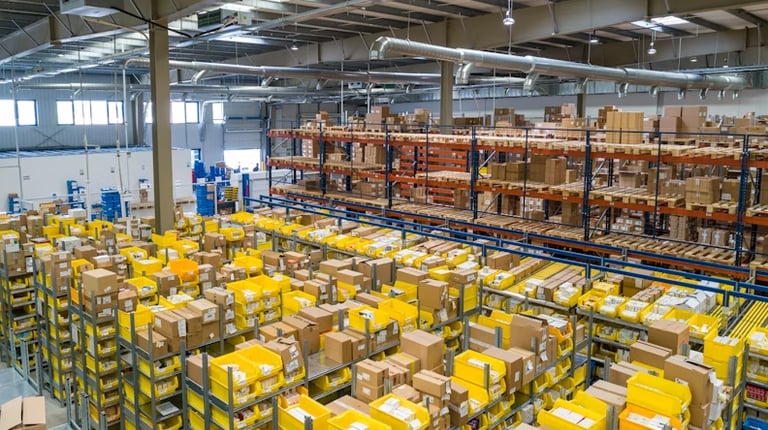
The stabilization allows U.S. B2B buyers to optimize their inventory turnover rates. Distributors are shifting from "just-in-case" stockpiling back to data-driven, lean inventory models for high-turnover SKUs like oil and air filters.
Sources
Whatsapp: +86 19941234680
Phone:+86 19941234680
© 2025. All rights reserved.
Email:sales1@makexcar.com
Wechat:Sgxwtxa