
This is a general B2B sample-review guide. MAKEXCAR's current Maintenance Accessories category has no published product records at the time of preparation, and this article does not present a stocked snow brush or promise a supply option. Use the framework to define a sourcing inquiry and ask whether a reference can be offered.
Identify the head design and included functions
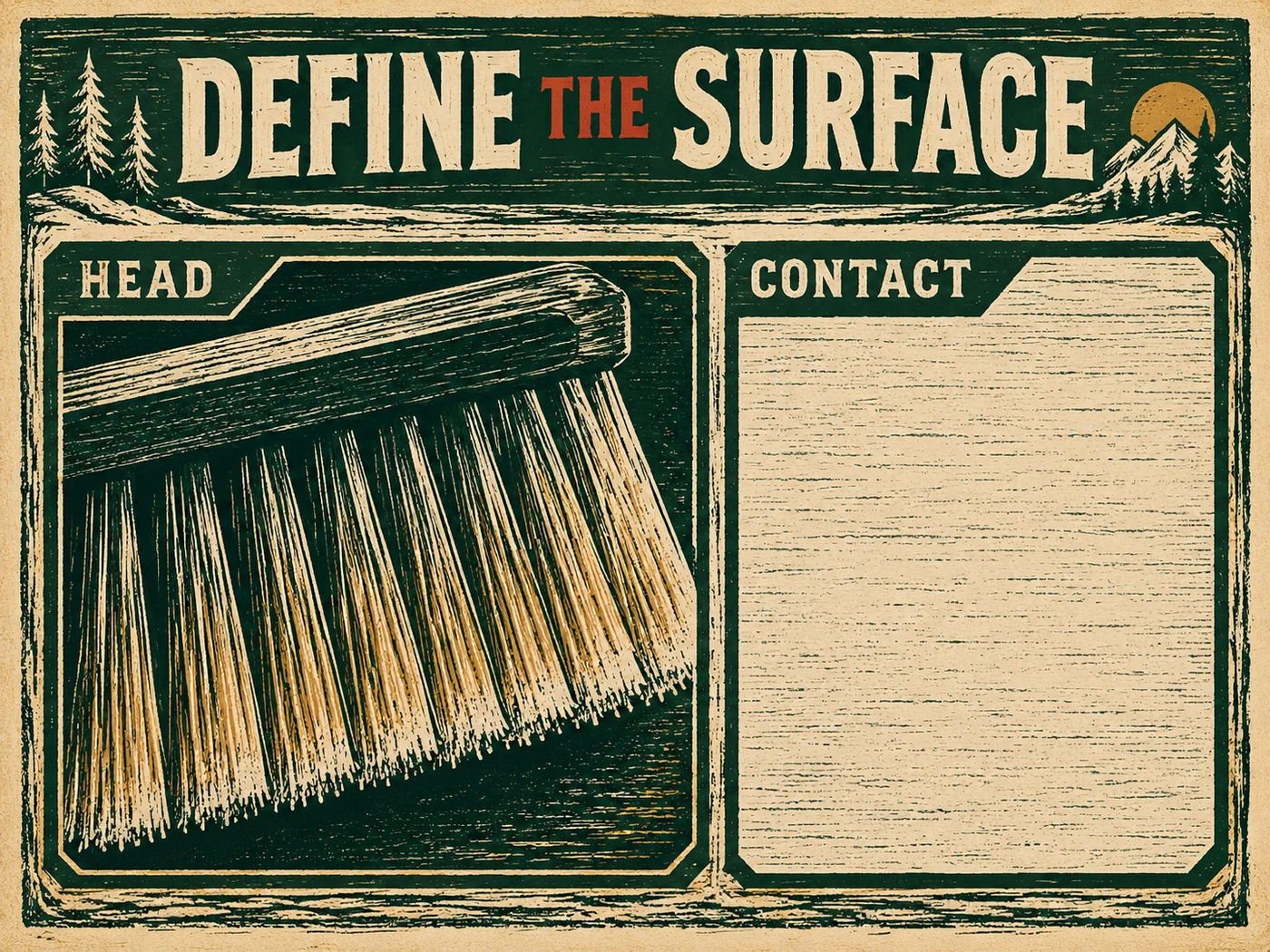
Start with the actual sample reference and a clear description of its snow-contact head. Identify whether the proposal uses bristles, foam or another stated design. Do not compare unlike heads under a single assumed bristle specification or apply a foam-head claim to a bristle sample.
Snow Joe's SJBLZD-ECM manufacturer guide identifies a foam head, scraper and pole sections for that named product. The example shows why the offered tool's components need explicit identification. It supplies no dimensions, material claims or functions for an unidentified MAKEXCAR proposal.
List any scraper, adjustable section, pivot or detachable component only when the actual offer includes it. Keep a supplier's demonstration accessory separate from the commercial supply scope. A snow brush should not acquire an assumed ice-scraping function merely because another manufacturer's winter tool combines the two.
Define the intended contact surfaces
Tell the supplier which surfaces the project intends to evaluate and what condition those surfaces represent. The responsible reviewer should select representative samples and an agreed assessment method. A successful observation on one material does not automatically cover every paint, coating, glass or trim arrangement.
Ask what evidence supports any “non-scratch” or “surface-safe” wording in the offer. The response should identify the actual tool, contact surface and conditions behind the claim. Keep the wording tied to its demonstrated scope rather than extending a broad marketing phrase to surfaces that were not assessed.
This guide does not prescribe a vehicle-surface experiment or assert a safe contact force. Have the qualified reviewer define the relevant method and criteria. Preserve observations before and after the agreed assessment so that purchasing can distinguish a documented finding from a subjective description.
Review bristle details when bristles are supplied
For a bristle design, ask for the declared material and construction information needed to review the proposed sample. Identify the head's relevant dimensions and bristle arrangement through a current drawing or sample record. No universal bristle diameter, density or stiffness is specified here.
Record visibly inconsistent areas, loose elements or other observed conditions without assigning a manufacturing cause from appearance alone. Compare them with the agreed criteria and ask for the supplier's disposition. An isolated observation should remain connected to the sample identity and examined area.
Ask how the reviewer assesses bristle retention and head integrity where these are project requirements. The actual method should identify the sample and result, rather than relying on an informal pull or bend demonstration. If no record exists, keep the requirement open instead of marking the head approved.
Review foam or other heads on their own basis
A foam or other non-bristle head needs its own description and relevant evidence. Ask what contact material, edge construction and head configuration are being supplied. Do not carry the bristle checklist across without considering which questions actually apply to that design.
Keep any named material property tied to its source and offered reference. A manufacturer's statement about another product is useful for identifying a question, but it does not verify the proposal in hand. Request the actual supporting documentation before repeating a performance claim in an order file or product description.
Review whether the sample's visible head features agree with the supplied drawing or description. If the supplier substitutes a different head design, identify the change explicitly and ask which prior observations remain relevant. A common handle appearance does not make the contact heads equivalent.
Define reach through the actual handle configuration
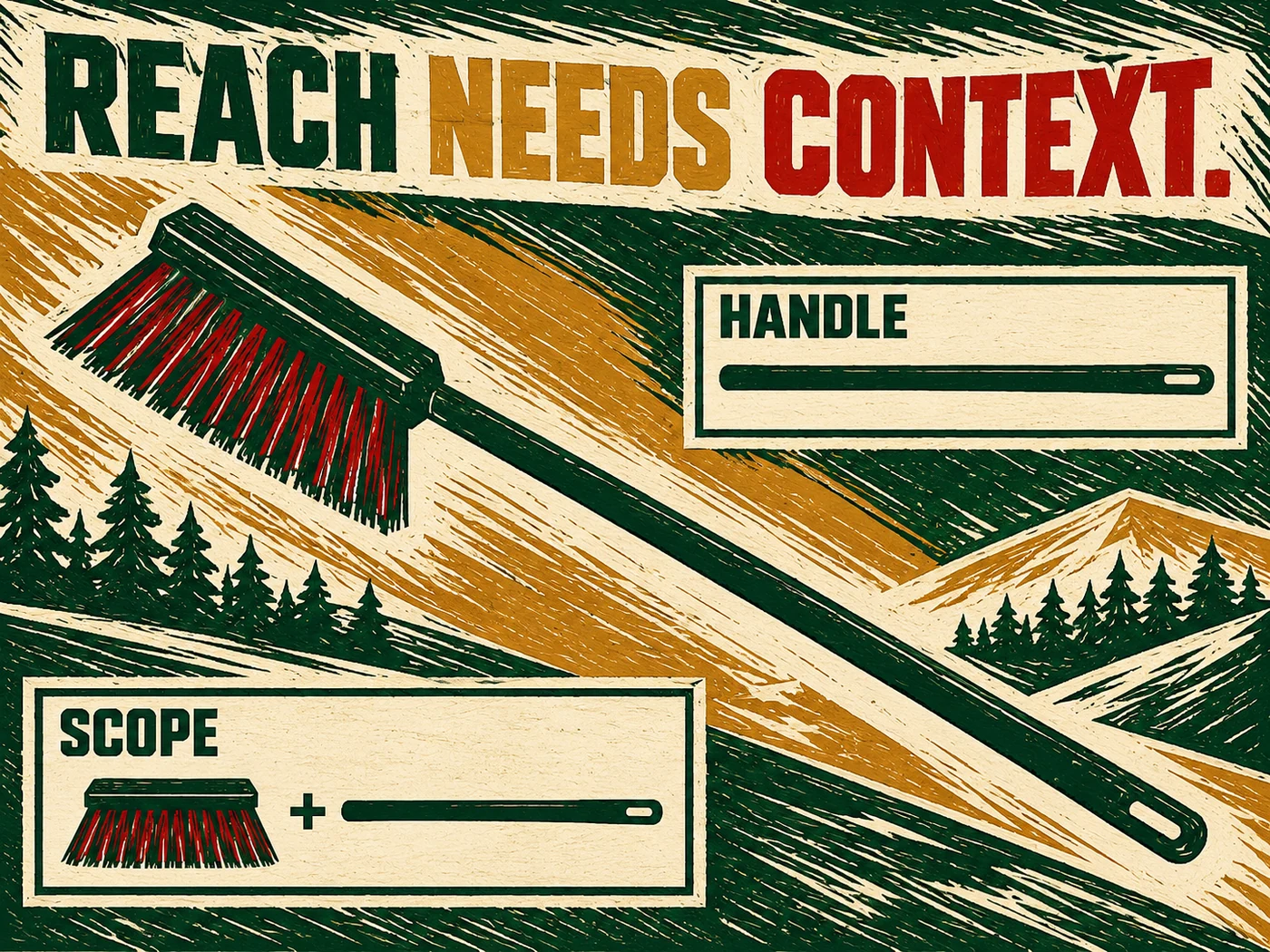
Record the offered handle arrangement and the condition in which its length is stated. If the design has separate sections or adjustment, request the applicable configurations and instructions. A dimension measured on a collapsed or partly assembled sample should not be presented as its usable reach in every arrangement.
Identify the vehicle-area or handling requirement the buyer wants the sample review to address. The qualified reviewer should explain how the actual tool and intended use are assessed. A nominal overall length alone does not establish convenient access for every user or vehicle geometry.
Ask how grip, head orientation and any relevant joint or locking feature are examined for the offered design. Keep the method and findings reference-specific. This article provides no universal handle load, locking strength, user reach value or instruction for an unoffered adjustable mechanism.
Build a sample evidence register
The register below separates the sample's identity from the questions still needing assessment. Fill it with the supplier's actual records and the buyer's agreed requirements. A row describing a test request is not a passing result.
| Review item | Evidence requested | Decision question |
|---|---|---|
| Tool identity | Reference, revision and included parts | What is being offered? |
| Head design | Bristle, foam or other construction record | Which checklist applies? |
| Contact surfaces | Representative surfaces and method | What claim can the evidence support? |
| Head integrity | Applicable criteria and observations | Were relevant features assessed? |
| Handle configuration | Dimensions and included configurations | How is the stated reach defined? |
| Grip and joints | Reference-specific assessment if required | What remains unresolved? |
| Order continuity | Accepted sample and change record | Does the offered order match the sample? |
Resolve a claim supported by the wrong sample
Consider an illustrative offer in which a seller supplies a contact report for a foam broom while the proposed order uses a bristle brush. The report may be genuine, but it does not by itself demonstrate the bristle product's contact behavior. Ask which evidence applies to the actual proposed head.
The same question arises if the report describes a different handle or head revision. Record the differences and ask the reviewer whether additional work is needed. Do not keep the earlier conclusion under a new reference without an explained basis.
A corrected offer should identify the sample, document scope and remaining questions. Preserve the original report and the clarification rather than removing the discrepancy from the file. That makes the final sample decision understandable to colleagues who were not present during the inquiry.
Keep handling impressions separate from acceptance
Buyer feedback about grip or convenience can inform the review, but describe it as an observation made under identified circumstances. Avoid turning one person's impression into a universal comfort or reach claim. If user handling forms part of acceptance, agree its method and recorded criteria.
Keep the head-contact findings separate from commercial preferences such as color, retail presentation or packaging. A preferred appearance cannot resolve a missing surface assessment. Conversely, a supported contact finding does not confirm every order option or supply term.
At sample approval, record the accepted configuration and documents, plus exceptions still awaiting resolution. Ask how the supplier will communicate changes in the head, handle or included parts. A labelled sample is useful only when its identity remains connected to the proposed production order.
Document the sample review in a reusable file
Use consistent sample photographs that identify the tool and the relevant feature being discussed. Separate the whole-tool view from close views of the contact head and handle. A close photograph without a reference label can become detached from the sample it describes when several proposals are reviewed together.
Include the date, sample condition and document revision with the observations. If a tool arrived with visible damage, record that condition before assessment and ask how it affects the review. Do not quietly replace the damaged sample and retain the original observations under the replacement's identity.
Keep agreed criteria and actual findings in different columns. This makes it clear whether a statement is a buyer requirement, a supplied specification or an observation. An empty result field should stay visibly pending until the review has been performed and documented.
When a supplier proposes a change after feedback, request a revised reference or other clear configuration identifier. Preserve which head, grip or joint detail changed and what further review is required. The next sample can then be assessed against the revised proposal without treating the earlier sample's findings as automatic approval.
Frequently asked questions
Does every snow brush include an ice scraper?
No such assumption should enter an RFQ. Identify the functions and components included in the actual offer.
Can a soft-feeling head be called scratch-safe?
Request the applicable surface-contact evidence. A handling impression alone does not establish a claim for all relevant vehicle surfaces.
Is overall length enough to compare reach?
Record the handle configuration and intended review requirement. Clarify which arrangement the dimension describes and how the project assesses access.
Does this guide confirm MAKEXCAR snow brush inventory?
No. The related maintenance category currently has no product records. Ask about sourcing feasibility and the exact proposed reference before discussing samples or orders.
Send a reference-specific sample brief
Prepare the head design, included functions, intended surface scope, handle arrangement and evidence requests. Use MAKEXCAR's contact page to ask whether a suitable sourcing option can be reviewed. Keep the supplier's answer, sample identity and acceptance record together so a general quality checklist becomes a documented decision for the actual proposed tool.
