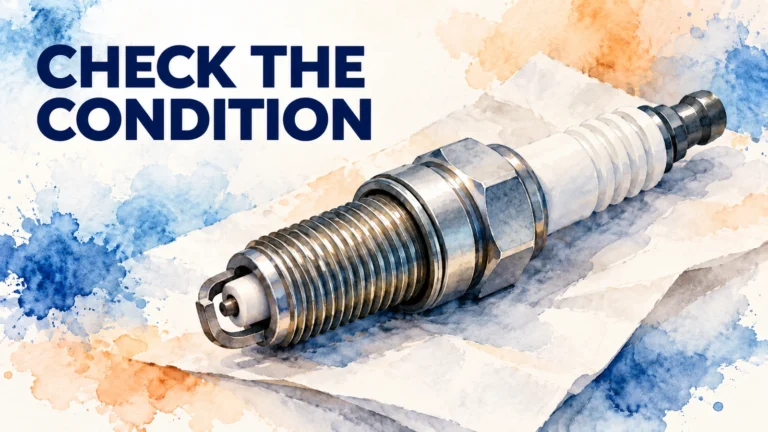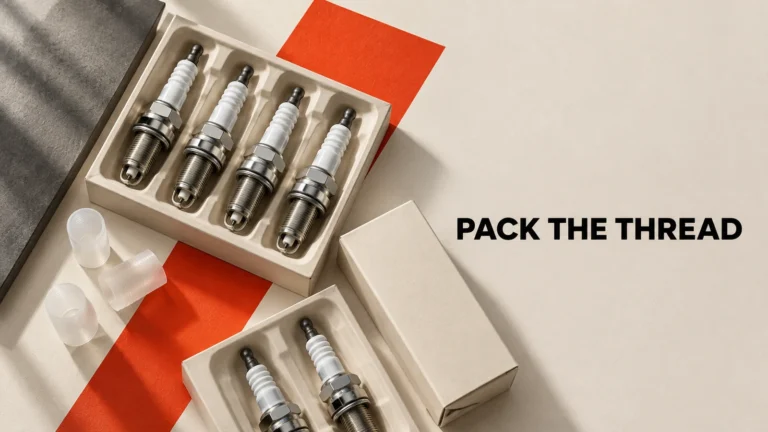
For distributors, terminal differences can create catalogue and picking confusion even when the ceramic body and lower shell look similar. This guide shows how to build a terminal record and reconcile it with receiving evidence. It does not authorize modification of a plug or establish interchangeability from the terminal alone.
Use manufacturer terminology for the actual reference
DENSO's official construction explanation distinguishes threaded terminals without a nut, terminals with a removable nut, crimped arrangements and solid terminals. The distinction shows why the top connection deserves an explicit catalogue field. It does not mean every manufacturer uses identical names or that every MAKEXCAR reference is available in all those forms.
Ask the supplier to identify the form using the applicable manufacturer's record. Preserve the source wording beside any translated or shortened warehouse description. If the source only shows a picture, ask for clarification before assigning a removability label.
Do not classify a terminal by attempting to remove it. A solid or otherwise retained construction must not be treated as an accessory simply because it resembles a nut. Any authorized handling belongs to the exact product's instructions; this article gives no removal method, tool recommendation or force.
Keep terminal identity separate from application approval
The terminal is one part of the spark plug's identity. The approved application still needs the complete reference and all relevant catalogue requirements. A matching top connection does not establish the correct thread, reach, seat, projection or heat range.
Ask which application evidence governs the proposed reference and record its revision. If the supplier offers an alternative, request a documented comparison for the complete plug. Do not approve it by comparing only a terminal photograph or by assuming that an adapter makes the references equivalent.
Keep the supplier's terminal description visible in the approval file while application review is underway. Mark unresolved questions as unresolved. A blank field is preferable to a confidently entered “removable” label that nobody has verified.
Read the whole part number, including its suffix
Record the complete manufacturer reference exactly as supplied, including letters, digits and suffixes. A short series name may cover several variants. Do not infer the meaning of a suffix from another brand's code or from a neighbouring item on the shelf.
If a supplier abbreviation differs from the manufacturer's reference, retain both with their mapping and source. Staff need to know which code is used on the order, the individual package and the stock label. A mapping table should not silently combine variants because the pictures appear similar.
When a catalogue update changes a description or mapping, preserve the earlier revision and identify the affected stock records. A corrected terminal field is a documented change to the reference record, not permission to alter parts already received.
Create a terminal and package worksheet
This editorial worksheet is a catalogue-control aid. It does not decode a particular manufacturer's full part-number system or define a terminal acceptance test. Complete it from the actual reference record, quotation and approved sample documentation.
| Record field | Evidence to obtain | Error it helps prevent |
|---|---|---|
| Full reference | Manufacturer code including suffix | Combining distinct variants under a series name. |
| Terminal description | Applicable manufacturer's wording | Guessing a form from a general image. |
| Removability | Explicit reference-specific instruction or classification | Treating a retained terminal as a loose accessory. |
| Photo identity | Sample reference and contextual top view | Using one illustration for unlike variants. |
| Package contents | Itemized quotation and packing scope | Assuming a separate nut is supplied. |
| Application basis | Approved complete plug mapping | Approving fitment from the terminal alone. |
| Stock mapping | Order, pack and shelf code relationship | Picking a similar neighbouring reference. |
| Revision owner | Person responsible for source changes | Overwriting the earlier approval history. |
Request photographs that answer the terminal question
Ask for a contextual view of the whole sample and a clear view of its top connection. Link both to the same exact reference and sample identity. A close-up with no label may show a terminal shape while leaving the product identity unresolved.
Keep the photograph as visual evidence, not as the sole basis for removability. The manufacturer's record must answer whether a component is intended to be removable. The image should help compare the supplied sample with the approved description without encouraging an improvised modification.
If several similar references are being quoted, require separate identified evidence where their terminal records differ. One convenient photograph should not stand in for every item in a series. Record whether a website image is a representative illustration or an image of the actual approved sample.
Confirm what is in the quoted pack
Ask whether the quotation covers the plug in its stated configuration and whether any separate terminal item is included. Obtain an itemized answer rather than assuming a loose nut is packed somewhere in the carton. A removable construction description does not, on its own, define the delivered contents.
Carry the agreed contents into the purchase order and receiving record. If the packaging contains additional items, identify them and clarify their authorized purpose with the supplier. This article does not approve generic nuts, interchangeable terminal hardware or a universal accessory kit.
Keep sale quantity separate from accessory quantity. A carton count of plugs and a count of separately supplied items answer different questions. Receiving should compare each with the stated scope instead of using one total to infer that the order is complete.
Review similar variants without merging them
Consider a hypothetical quotation showing two plugs in one series with different full references. Their lower-body photographs appear similar, but one terminal description is complete and the other is blank. The buyer should request the second record rather than copy the first description into both rows.
If the later source establishes different forms, keep separate stock records and images appropriate to those references. If the forms are the same, preserve that conclusion with its evidence. Either outcome depends on the actual documents; visual similarity alone does not decide the mapping.
This example contains no real manufacturer codes or application claim. It illustrates a practical catalogue question: which evidence belongs to which item? Avoid creating an invented suffix dictionary or using the example to imply that a particular terminal is correct for a named vehicle.

Make receiving and picking use the same identity
At receiving, compare the exact order reference with the package label and the approved record. Follow the agreed inspection process for any visual comparison of the terminal. A discrepancy should be described and held for review rather than corrected by altering the product.
For picking, retain a clear distinction between nearby variants in the stock file. Use the complete reference and verified terminal description where it helps staff identify the correct item. Do not shorten both to a shared series name if that removes information needed by the order.
When a customer requests an alternative, route the request through application and reference review. A warehouse worker should not decide that two plugs are interchangeable because the terminal tops look alike. The picking record should follow the approved commercial and product scope.
Keep an unresolved discrepancy specific
A report should identify the affected reference, the expected description and the observation that differs. Attach contextual photographs and the governing source record. Avoid reporting “wrong plugs” when the known issue is a mismatch between one terminal field and the received sample.
Ask the supplier whether the difference reflects a documentation error, a different variant or another condition requiring review. Record the response and its scope. An updated web description does not automatically resolve the identity of every item in a previous shipment.
Preserve any final disposition beside the original discrepancy. If the stock record is corrected, date the correction and identify who approved it. That makes the next order easier to review while keeping the earlier evidence intact for a customer or supplier question.
Write catalogue text that preserves uncertainty
Use a separate field for the manufacturer's terminal description and another for the evidence source. This avoids placing several different meanings into a single word such as “cap.” Staff can retain a familiar internal term while the approved product record still carries the source classification and exact reference.
When preparing an English listing from a supplier document, check that the translated description preserves the distinction between a terminal form and a supplied accessory. Do not translate an unclear term into “removable nut” merely because that phrase is common in another catalogue. Ask for clarification and retain the answer with the source revision.
A public description should state only the verified configuration. If removability or separate contents have not been confirmed, avoid presenting them as an available feature. The inquiry record can explain which detail needs review without filling the gap with a generic promise.
Before sending the listing to picking or sales, compare its full reference, terminal field and package scope against the same approved record. The purpose is a consistent identity across teams. It does not require each team to perform a physical alteration or decide application from a photograph, and it does not replace the complete product approval.
Prepare a clear wholesale inquiry
Send the full reference or the vehicle details needed for application matching, requested quantity and expected terminal description if already verified. Ask for identified photographs, the relevant manufacturer classification and the actual package contents. State which details still need approval.
Browse the published MAKEXCAR Spark Plugs category and use the MAKEXCAR inquiry page to discuss a specific reference. Category membership and a generic illustration do not establish a terminal configuration or application.
Frequently asked questions
Is every visible terminal nut removable?
No. Manufacturer descriptions distinguish different constructions. Confirm the exact reference and follow its applicable instructions.
Can the terminal alone establish interchangeability?
No. The complete spark plug and approved application mapping still need review.
Does a removable terminal description prove a spare nut is included?
No. Confirm the itemized quotation and packing contents separately.
Should similar series references share one stock description?
Only where the relevant details have been verified. Preserve complete codes and any variant distinctions needed by the order.
Source and scope
DENSO's spark-plug construction explanation supplies manufacturer-specific terminal categories. The worksheet and hypothetical variant review are editorial. No suffix meaning, removal procedure, dimensions, accessory compatibility, engine fitment or MAKEXCAR terminal specification is invented.