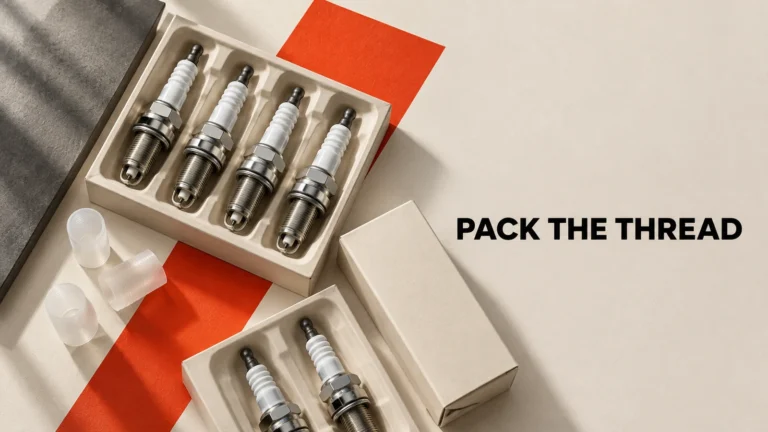

For distributors, the practical goal is an evidence file that a supplier can review without guessing which plug is shown or which vehicle it came from. This guide focuses on the identity and records accompanying the returned component. It does not prescribe engine diagnosis, plug cleaning or a replacement heat range.
Why appearance is only one part of the record
DENSO's January 2026 spark plug warranty pre-check sheet separates origin, documents and application, physical damage, gasket condition and appearance. Its accompanying appearance guide describes carbon fouling in terms of dry black deposits at the insulator and electrodes. These are examples of the information considered within DENSO's own branded process; they are not MAKEXCAR warranty terms or a diagnosis of a photographed return.
The purchasing implication is straightforward: do not replace the entire file with a label such as “carbon fouled.” The supplier needs to know which item is involved and what other records support the case. A descriptive category can help route the question while its cause remains under assessment.
Use the actual supplier's current return requirements. A manufacturer's public form can inform the questions you ask, but its rejection rules, product-specific measurements and technical statements should not be copied into another supplier's policy.
Identify the actual plug before discussing its condition
Record the complete reference shown on the plug and the corresponding order line. Include photographs of readable markings and retained packaging labels where available. If the plug and package cannot be linked confidently, state that limitation rather than treating the box as proof of the enclosed item's identity.
Do not shorten a reference to its familiar portion. Characters that appear minor to a warehouse clerk may still distinguish the supplied item. Transcribe what is visible and retain the photograph so the supplier can review the original marking rather than relying only on a typed entry.
If several plugs are returned, give each an individual case label and connect it to the workshop's recorded position. Use the workshop's vehicle-specific position convention instead of assigning cylinder numbers from memory. Keep the physical items and their records matched through handling and dispatch.
Photograph the whole item, firing end and markings
A whole-item view connects the detail images to a complete plug. A firing-end view shows the photographed condition at the tip. A markings view supports identity. These are distinct purposes, so a gallery of repeated tip close-ups may leave the file incomplete even when the images are sharp.
Keep the original images and supply annotations as separate copies. If an arrow identifies a deposit or visible feature, it should not cover the area being discussed. Use a plain filename or index entry to connect the images; avoid relying on a colored arrow alone to identify the returned unit.
Ask the workshop for images from its normal documented inspection. If a view was unavailable or obscured, record that fact. An office request for a better photograph should not become an improvised instruction to alter the component or perform additional vehicle work.

Describe deposits without converting them into a diagnosis
Use a descriptive field for what is visible and a separate field for the workshop's conclusion. A deposit may be described as dark, dry-looking or glossy in the received photograph. If the workshop identifies a substance or condition, attribute that statement to its report and retain the supporting record.
Do not equate every dark image with the same fouling mechanism. Lighting, focus and the photographed area affect what a reviewer can see. A purchasing team should not turn a visual resemblance to a guide illustration into a confirmed engine fault, material finding or product defect.
Record whether the image was taken before or after documented cleaning or other handling. If only an altered condition is available, explain it. Recreating deposits for a photograph would replace the original evidence with a staged scene and should not be used to fill that gap.
Add application and service-history records
Provide the vehicle and engine information used to select the plug, along with the actual reference supplied. Attach the application record the workshop relied on when available. A generic make-and-model statement may omit the details the supplier needs to review the selection.
Record the installation date and reported mileage or operating period with their source. Distinguish a documented service entry from a customer estimate. Do not calculate a precise service interval from an uncertain account and present it as measured data.
Include the reported symptom, when it was observed and the workshop's relevant diagnostic report. Keep any fault-code record in its original form with context. A code is part of the case information; the buyer should not rewrite it into a conclusion that the plug itself was the cause.
Where related work or changes are documented, include the facts relevant to the review. For example, a recorded intervention before the images were taken can explain why the returned condition differs from the initial account. Avoid speculating about unrecorded adjustments, fuel use or engine condition.
Keep each returned plug linked to its data
The table below is a suggested distributor index. It is not a manufacturer test procedure. Use it for every returned unit or clearly identified group, and retain individual information where plugs from the same vehicle have different recorded conditions.
| Record group | Entry to retain | Attachment link |
|---|---|---|
| Identity | Complete plug reference and order line | Markings and label photographs |
| Position | Workshop's recorded vehicle location | Workshop identification record |
| Appearance | Observed condition and capture timing | Whole item and firing-end images |
| Application | Vehicle and engine selection data | Relevant application record |
| Service history | Installation date and reported use | Service entry or attributed account |
| Assessment | Workshop findings and unresolved points | Diagnostic report |
| Return process | Case instructions and requested review | Supplier authorization |
Do not merge several units under one photograph unless the record explains exactly what the image represents. If a group overview is used, retain individual identifiers and enough detail to understand each item's reported condition. One visibly different plug should not disappear inside a general “all plugs fouled” summary.
What to do with gaps in the file
List missing information as specific questions. “Need more evidence” is difficult for a workshop to act on. “Please identify the plug shown in image three and supply the application record used for that reference” explains the gap and the document that may resolve it.
If the original package, installation record or earlier photograph is unavailable, state that directly. The supplier can then decide whether the remaining material is sufficient or whether another assessment route is needed. Do not use another unit's document as a substitute without clearly describing its actual relationship.
Keep the technical question separate from the requested commercial remedy. A request for replacement, credit or inspection is not itself a confirmed entitlement. Refer to the applicable supplier terms and the case response rather than assuming that an appearance label settles the outcome.

Prepare the return without changing its evidence meaning
Obtain the supplier's return authorization and handling instructions before dispatch. Preserve the identification agreed for the case and record the shipment reference. This article does not define a universal packaging or cleaning method; use the process applicable to the returned item.
Document any handling already performed and explain which photographs show the earlier condition. When the supplier receives a component whose appearance has changed, that history helps it interpret the file. The dispatch photograph, if used, should be labelled as a dispatch record rather than an original vehicle observation.
Retain the supplier's assessment with the case number and the items it actually covers. Do not apply one conclusion to other references or vehicles without checking its scope. Similar-looking deposits can still belong to different case histories.
Frequently asked return questions
Does a black firing end prove a manufacturing defect?
No such conclusion follows from the photograph alone. Record the appearance, actual reference, application and workshop findings. The cause and commercial outcome require the relevant assessment and terms.
Should we copy the manufacturer's public warranty form?
Use the supplier's actual requirements. A public manufacturer form can illustrate evidence categories, but its branded eligibility rules and product-specific checks are not automatically another supplier's policy.
Can the plugs be cleaned before sending photos?
Follow the responsible workshop and supplier process. If cleaning has already occurred, record it and preserve earlier images when available. Do not recreate the original condition for a new photograph.
Can several returned plugs share one report?
Yes, if the report clearly identifies each unit and its relevant records. Preserve individual position and condition information instead of allowing a shared summary to obscure differences.
Send a complete spark plug inquiry
Review the current MAKEXCAR spark plugs category for the recorded references available to inspect. For a sourcing or after-sales question, send the complete plug reference, vehicle and engine information, order line and indexed photos or workshop documents. State which question remains open so the recipient can request the missing information directly.
Use the MAKEXCAR contact page for clarification. Keep observed condition, technical assessment and requested remedy as separate entries in the case record. That makes the file useful without treating a deposit photograph as a diagnosis or a warranty decision.